5 min read
The Claws of Change
Why Jaguar’s Mad Gamble Might Just Work
Category:
Culture & Design
Updated:
Jul 9, 2026

James Goddard
Principle Designer
The Claws of Change: Why Jaguar’s Mad Gamble Might Just Work
Let’s be entirely honest. Eighteen months ago, when Jaguar pulled the covers off its new brand identity, the collective automotive universe fell off its chair and hit its head on the radiator.
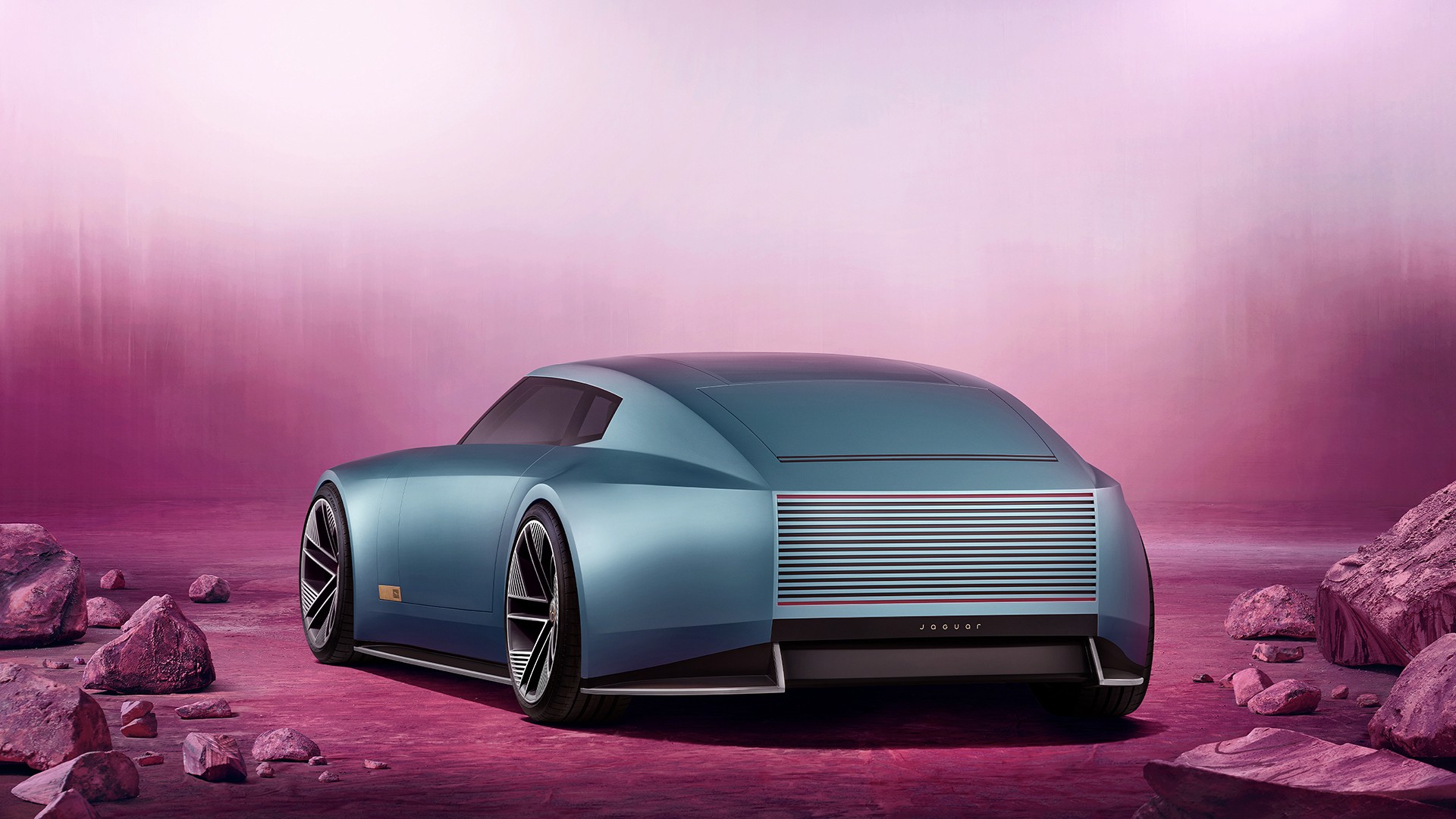
The internet reaction was furious. There were weeping enthusiasts and endless memes mocking the deletion of the iconic leaper from the grille. It was a corporate rebrand that read less like British heritage and more like a high-concept art installation at the Tate Modern. This tech-minimalist rethink felt actively designed to alienate the traditional buyer. To most of us who grew up with the smell of Connolly leather and the silhouette of an E-Type, it looked like an act of absolute corporate suicide.
But eighteen months is a lifetime in the current automotive landscape. Looking out at the world today, I’m starting to think the absolute madmen in Coventry might actually be onto something. The reason is simple: since they threw the rulebook into the bin, the rest of the world has gone completely, utterly bonkers too.
"If you’re going to walk into a gunfight with a knife, you might as well make sure the knife is painted fluorescent pink and plays techno music."
Consider what has happened to the traditional automotive hierarchy. The old guard is unravelling. The established German premium template of building a saloon, scaling it up or down by 15%, and adding a bigger battery is suddenly feeling incredibly tired. The market has become a sea of anonymous, slab-sided electric shapes styled by a wind tunnel with an allergy to personality.
And then, of course, you look at Maranello.
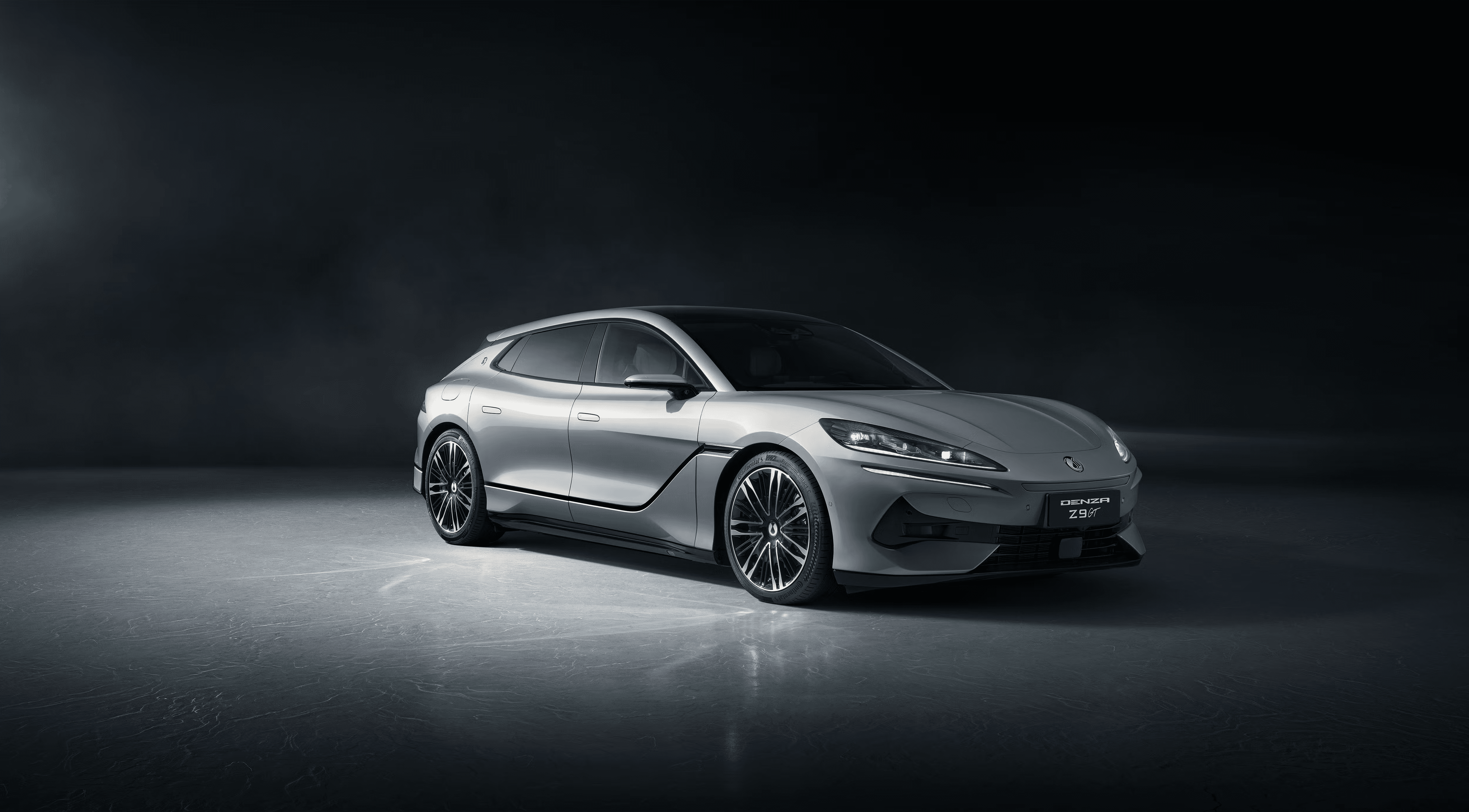
If you want proof that the rulebook has been torn up, look no further than the Ferrari Luce. This fully electric, five-seat liftback from Ferrari was styled in collaboration with Jony Ive and Marc Newson. It is an astonishing piece of engineering with four electric motors, 1,035 horsepower, and a cabin pushed so far forward it looks like a spaceship. It is a €550,000 electric vehicle from the world’s most famous sports car maker that looks absolutely nothing like a traditional sports car, and it sold out its initial allocation in minutes.
The Genius of Becoming the Outlier
That is the context Jaguar is walking into. The rebrand wasn't a mistake; it was an early diagnosis of a terminal illness. Had Jaguar launched another handsome, slightly conservative, three-box electric saloon to compete with BMW and Porsche, they would have been buried. They would have been just another legacy brand trying to play catch-up in a game where the rules change every week.
Instead, they chose radical differentiation. By shedding the tweed jackets, the wood veneer, and the baggage of the good old days, they carved out a space where they don't have to be compared to anyone else. They aren't trying to build a better electric car than Tesla; they are trying to sell an aesthetic. It's a luxury play, pure and simple.
In a world where a Ferrari has a plug and five seats, the concept of an ultra-minimalist, high-fashion Jaguar doesn't feel like madness anymore. It feels like survival. The world has caught up to their craziness, and suddenly, the big cat's new look is starting to make a lot of sense.